
What is SSDLC? 7 Proven Steps for Secure Software Development
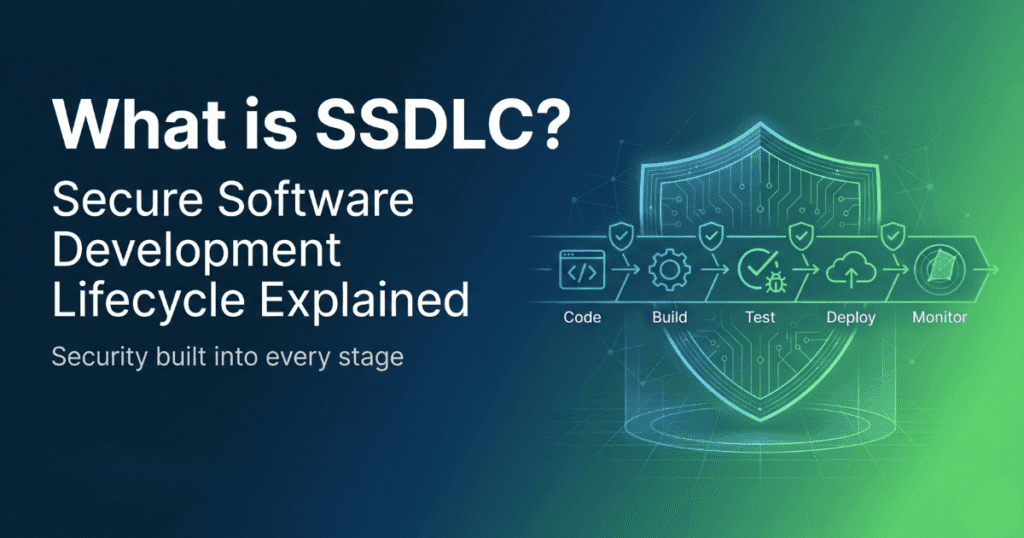
SSDLC (Secure Software Development Lifecycle) is a development process that integrates security practices into every stage of software creation—from planning to deployment.
Unlike traditional development, where security is tested at the end, secure SDLC ensures security is continuous.
Secure SSDLC explained simply:
- Security is planned early
- Code is written securely
- Systems are tested continuously
- Risks are monitored after launch
 In short: you don’t “add” security—you build with it.
What is SSDLC? 7 Proven Steps for Secure Software Development
What is SSDLC? 7 Proven Steps for Secure Software DevelopmentWhat is SSDLC? 7 Proven Steps for Secure Software Development
Why SSDLC matters today
The software security lifecycle is no longer optional.
With regulations like GDPR and increasing cyber threats, businesses must ensure:
- Data protection
- Secure infrastructure
- Compliance readiness
DevSecOps importance
SSDLC is closely tied to DevSecOps, where:
- Development
- Security
- Operations
…work together continuously.
This reduces:
- Security risks
- Cost of fixing bugs
- Time to market
SSDLC Phases Explained (Step-by-Step)
1. Planning (Risk Assessment)
This phase identifies potential threats before development begins.
Includes:
- Threat modeling (e.g., STRIDE)
- Risk assessment tools
- Compliance requirements
Fixing issues here is 10x cheaper than later.
2. Development (Secure Coding)
Developers follow secure coding practices, such as:
- Input validation
- Secure authentication
- Encryption standards
Automated tools like SAST (Static Application Security Testing) run during coding.
3. Testing (Security Validation)
This phase ensures the system is secure before launch.
Includes:
- DAST (Dynamic testing)
- Dependency scanning
- Penetration testing
Security testing software identifies vulnerabilities early.
4. Deployment (Secure Release)
Before going live:
- Systems are hardened
- Configurations are secured
- Access controls are enforced
5. Monitoring (Continuous Security)
Security doesn’t stop after launch.
Includes:
- Real-time monitoring
- Incident detection
- Continuous updates
This is where SSDLC becomes a continuous lifecycle.
Use Cases Across Industries
 SSDLC in fintech
- Protects payment systems
- Prevents fraud vulnerabilities
- Ensures compliance
 SSDLC in healthcare systems
- Secures patient data
- Supports GDPR & health regulations
- Prevents data breaches
 Secure ICT systems
- Critical infrastructure protection
- Government system security
- Enterprise-grade applications
How to implement SSDLC (Practical Steps)
1. Train your team
Developers must understand secure coding.
2. Integrate security tools
Add:
- SAST
- DAST
- Dependency scanners
3. Automate security in CI/CD
Security checks should run automatically.
4. Start with one project
Don’t overhaul everything.
Begin with a high-risk or high-impact product.
5. Build a security culture
Security is not a tool—it’s a mindset.
If you’re unsure how to start, most companies begin by integrating SSDLC into a single product or sprint cycle.
Common SSDLC mistakes to avoid
 Treating security as a final step Relying only on automated tools Ignoring legacy systems Lack of team training
These are the main reasons SSDLC fails.
The AImpulse Security Approach
Exploring AI trends in Europe 2026 will inform our strategy moving forward.

At AImpulse, we follow a simple but powerful model:
 AImpulse AI Stack
Discover → Identify high-impact AI opportunities
Design → Build compliant, explainable architecture
Develop → Rapid AI implementation using modern tools
Deploy & Scale → Monitor, improve, and expand
This ensures every AI solution is:
Scalable
Secure
Regulation-ready
If you’re exploring AI adoption across industries, you may also find our guide on AI trends in Europe useful for understanding the broader landscape.

How AImpulse helps
We provide:
- Secure software development services
- DevSecOps implementation
- Security audits & system hardening
We don’t just secure software.
We make security part of how you build.
FAQ
What is SSDLC?
- SSDLC is a secure software development lifecycle that integrates security practices into every stage of development to prevent vulnerabilities.
Why is SSDLC important?
- SSDLC reduces security risks, ensures compliance, and lowers the cost of fixing vulnerabilities by addressing them early.
What is the difference between SSDLC and DevSecOps?
- SSDLC is the framework, while DevSecOps is the practice of integrating security into development and operations workflows.
How can companies implement SSDLC?
- Companies can implement SSDLC by training teams, integrating security tools, automating checks in CI/CD, and starting with a pilot project.
Conclusion
It’s the difference between reactive security and proactive protection.
In 2026, secure software is not optional—it’s expected.
Companies that adopt SSDLC early will:
- Build trust
- Reduce risk
- Scale faster
Want to understand how SSDLC would work in your product?
External Resource
- OWASP Secure Development Guide:
https://owasp.org/www-project-top-ten/
What is SSDLC?
SSDLC (Secure Software Development Lifecycle) is a development process that integrates security practices into every stage of software creation—from planning to deployment.
Unlike traditional development, where security is tested at the end, secure SDLC ensures security is continuous.
Secure SSDLC explained simply:
- Security is planned early
- Code is written securely
- Systems are tested continuously
- Risks are monitored after launch
In short: you don’t “add” security—you build with it.
Why SSDLC matters today
The software security lifecycle is no longer optional.
With regulations like GDPR and increasing cyber threats, businesses must ensure:
- Data protection
- Secure infrastructure
- Compliance readiness
DevSecOps importance
SSDLC is closely tied to DevSecOps, where:
- Development
- Security
- Operations
…work together continuously.
This reduces:
- Security risks
- Cost of fixing bugs
- Time to market
SSDLC Phases Explained (Step-by-Step)
1. Planning (Risk Assessment)
This phase identifies potential threats before development begins.
Includes:
- Threat modeling (e.g., STRIDE)
- Risk assessment tools
- Compliance requirements
Fixing issues here is 10x cheaper than later.
2. Development (Secure Coding)
Developers follow secure coding practices, such as:
- Input validation
- Secure authentication
- Encryption standards
Automated tools like SAST (Static Application Security Testing) run during coding.
3. Testing (Security Validation)
This phase ensures the system is secure before launch.
Includes:
- DAST (Dynamic testing)
- Dependency scanning
- Penetration testing
Security testing software identifies vulnerabilities early.
4. Deployment (Secure Release)
Before going live:
- Systems are hardened
- Configurations are secured
- Access controls are enforced
5. Monitoring (Continuous Security)
Security doesn’t stop after launch.
Includes:
- Real-time monitoring
- Incident detection
- Continuous updates
This is where SSDLC becomes a continuous lifecycle.
Use Cases Across Industries
SSDLC in fintech
- Protects payment systems
- Prevents fraud vulnerabilities
- Ensures compliance
SSDLC in healthcare systems
- Secures patient data
- Supports GDPR & health regulations
- Prevents data breaches
Secure ICT systems
- Critical infrastructure protection
- Government system security
- Enterprise-grade applications
How to implement SSDLC (Practical Steps)
1. Train your team
Developers must understand secure coding.
2. Integrate security tools
Add:
- SAST
- DAST
- Dependency scanners
3. Automate security in CI/CD
Security checks should run automatically.
4. Start with one project
Don’t overhaul everything.
Begin with a high-risk or high-impact product.
5. Build a security culture
Security is not a tool—it’s a mindset.
If you’re unsure how to start, most companies begin by integrating SSDLC into a single product or sprint cycle.
Common SSDLC mistakes to avoid
Treating security as a final step Relying only on automated tools Ignoring legacy systems Lack of team training
These are the main reasons SSDLC fails.
The AImpulse Security Approach
Exploring AI trends in Europe 2026 will inform our strategy moving forward.
At AImpulse, we follow a simple but powerful model:
AImpulse AI Stack
Discover → Identify high-impact AI opportunities
Design → Build compliant, explainable architecture
Develop → Rapid AI implementation using modern tools
Deploy & Scale → Monitor, improve, and expand
This ensures every AI solution is:
Scalable
Secure
Regulation-ready
If you’re exploring AI adoption across industries, you may also find our guide on AI trends in Europe useful for understanding the broader landscape.
How AImpulse helps
We provide:
- Secure software development services
- DevSecOps implementation
- Security audits & system hardening
We don’t just secure software.
We make security part of how you build.
FAQ
What is SSDLC?
- SSDLC is a secure software development lifecycle that integrates security practices into every stage of development to prevent vulnerabilities.
Why is SSDLC important?
- SSDLC reduces security risks, ensures compliance, and lowers the cost of fixing vulnerabilities by addressing them early.
What is the difference between SSDLC and DevSecOps?
- SSDLC is the framework, while DevSecOps is the practice of integrating security into development and operations workflows.
How can companies implement SSDLC?
- Companies can implement SSDLC by training teams, integrating security tools, automating checks in CI/CD, and starting with a pilot project.
Conclusion
It’s the difference between reactive security and proactive protection.
In 2026, secure software is not optional—it’s expected.
Companies that adopt SSDLC early will:
- Build trust
- Reduce risk
- Scale faster
Want to understand how SSDLC would work in your product?
External Resource
- OWASP Secure Development Guide:
https://owasp.org/www-project-top-ten/